
"bean chemistry"
600 article(s) found

Roasting deduction of coffee beans
The roasting degree of coffee beans determines the style and characteristics of coffee beans, and the roasting degrees of coffee beans in different producing areas are different! According to the taste extracted from the coffee bean producing area and suitable roasting, it can be roughly divided into fruity coffee beans, balanced coffee beans and thick bitter coffee beans. Baking degree shallow and deep [physics]: darker color, fewer folds, less density, larger volume, and stripping.

Coffee beans: coffee beans
It's not hard to have a nice cup of coffee. But you must know how to buy and preserve coffee. Improper preservation methods will affect the quality and flavor of coffee. (1)Three factors affecting coffee beans: temperature/humidity/sunlight (2) The best tasting period of coffee: coffee beans for four weeks, coffee powder for weeks (3) Coffee beans in vacuum packaging shelf life: vacuum pot about 2
Basic knowledge of coffee beans the main chemical components of raw coffee beans
Main chemical components of raw coffee beans: content (%) carbohydrate 60.0 reducing sugar 1.0 sucrose 7.0 pectin 2.0 starch 10.0 garrison 5.0 hemicellulose 15.0 holocellulose 18.0 lignin 2.0

Preservation of Coffee beans basic knowledge of Fine Coffee
It's not cool to have a cup of delicious coffee. But you must know how to select and save coffee. Improper preservation methods will affect the taste and flavor of coffee. (1) three major factors affecting coffee beans: degree / degree / daylight (2) the best tasting period of coffee: coffee beans are four cups and coffee powder is one gram. (3) the shelf life of coffee beans in vacuum packaging: vacuum can about 2.

How many coffee terms do you know?
There are several important concepts that must be understood in coffee extraction: the word extraction comes from Latin, meaning to squeeze something out or to obtain an extract. In chemistry, extraction refers to the acquisition of valuable substances (flavors) from raw materials (coffee beans). There are many methods of extraction, the most common of which is to use hot water to extract flavor from coffee powder. Cooking is also often used instead of extraction.

Basic knowledge of fine coffee the main chemical constituents of raw coffee beans
Main chemical components of raw coffee beans: content (%) carbohydrate 60.0 reducing sugar 1.0 sucrose 7.0 pectin 2.0 starch 10.0 garrison 5.0 hemicellulose 15.0 holocellulose 18.0 lignin 2.0

What is tannic acid? One of the main chemical constituents of coffee beans
Tannin, one of the main chemical components of coffee beans, accounts for about 7% of the total chemical composition of coffee beans. After extraction, tannic acid will turn into a yellowish powder and easily dissolve in water. Once heated, it will decompose to produce pyrosylic acid, making the taste of coffee worse. Because of this, a cup of brewed coffee will lose its taste and taste if it is not drunk immediately.

The production of Espresso is a technical work.
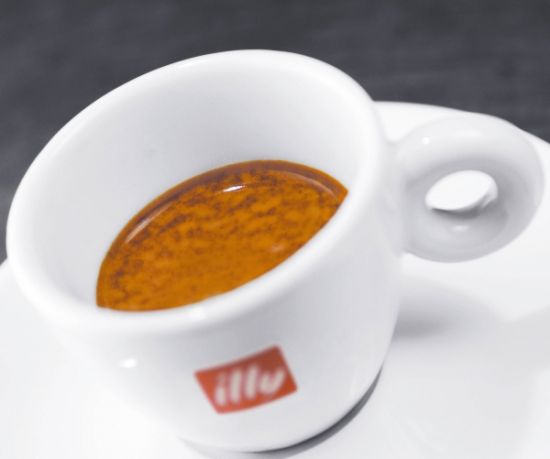
The Espresso boiled at the ideal water temperature is dark reddish brown, with dark brown spots on the surface of the foam (called "el tigre" by the Italians), and the foam should be more than 4mm thick.

The preservation of coffee beans affects the three factors of coffee beans.
It's not cool to have a cup of delicious coffee. But you must know how to select and save coffee. Improper preservation methods will affect the taste and flavor of coffee. (1) three major factors affecting coffee beans: degree / degree / daylight (2) the best tasting period of coffee: coffee beans are four cups and coffee powder is one gram. (3) the shelf life of coffee beans in vacuum packaging: vacuum can about 2.
Why the emphasis on freshly ground coffee
Why emphasize freshly ground coffee? When you smell the fragrance of coffee powder, it shows that it is deteriorating and the essence of coffee is decreasing.

Why do you want freshly ground coffee before brewing?
When you smell the fragrance of coffee powder, it shows that it is deteriorating and the essence of coffee is decreasing.
Coffee tasting the characteristics of coffee
All the color, aroma and taste of coffee are characterized by some chemical changes in raw coffee beans after baking. Four flavors of ◎ bitter: caffeine, one of the basic flavor elements of coffee. ◎ acid: = = tannin acid, the second basic flavor element of coffee. ◎ Gump: when the sugar in the raw coffee beans is partially coked after the roasting process, the rest is
Boutique coffee common sense what is tannin?
Tannin, one of the main chemical components of coffee beans, accounts for about 7% of the total chemical composition of coffee beans. After extraction, tannic acid will turn into a yellowish powder and easily dissolve in water. Once heated, it will decompose to produce pyrosylic acid, making the taste of coffee worse. Because of this, a cup of brewed coffee will lose its taste and taste if it is not drunk immediately.
The production of Espresso
Production of Espresso: generally speaking, large coffee beans can produce better coffee. In the case that the quality of coffee beans has been fully assured, the first technical problem to be solved is blending. Blending refers to the selection of coffee beans of different origin and quality to achieve the desired results. The matching technocrat believes that 50% of the success factors of a perfect Espresso depend on the composition of the match.
Making coffee is a skill.
Coffee brewing is a skill. Generally speaking, large coffee beans can produce better coffee. In the case that the quality of coffee beans has been fully assured, the first technical problem to be solved is blending. Blending refers to the selection of coffee beans of different origin and quality to achieve the desired results. The matching technocrat believes that 50% of the success factors of a perfect Espresso depend on the composition of the match.
Identification of Cat shit Coffee by Chemical Analysis
People who enjoy the most expensive coffee in the world will soon be able to sip coffee without having to worry: researchers have devised a way to tell these people whether the coffee they buy is real or fake.
Planting conditions of Coffee trees planting soil knowledge of Coffee trees
Professional coffee knowledge exchange more coffee bean information please follow the coffee workshop (Wechat official account cafe_style) to create ideal soil conditions Professor Joao Batista Pavesi Simao of the University of Esp í rito Santo in Brazil has been developing applied research on coffee since 2005. He attributes Brazil's success as a coffee producer to a large extent to their opposition to Turkey.
Coffee brewing method: introduction to the technology of amber striped coffee brewing
Generally speaking, large coffee beans can produce better coffee. In the case that the quality of coffee beans has been fully assured, the first technical problem to be solved is blending. Blending refers to the selection of coffee beans of different origin and quality to achieve the desired results. The matching technology school believes that 50% of the success factors of a perfect Espresso depend on the composition and quality of the match. no
The production of high-quality coffee learning Espresso is a technical work.
The Espresso boiled at the ideal water temperature is dark reddish brown, and the foam on the surface will have dark brown spots (known as el tigre in Italy), and the foam should be more than 4mm thick. Production of Espresso: generally speaking, large coffee beans can produce better coffee. Under the condition that the quality of coffee beans is fully assured, first of all,
The chemical composition of coffee
Coffee is a complex mixture of potential "neutriceuticals". The chemical composition of coffee is determined by a number of factors: agriculture, roasting, blending, and brewing. The main elements of coffee have been known for more than half a century.